
Landscape architecture in Saudi Arabia: How collaboration supports design
How we perceive the landscape surrounding us has always mattered. The essential qualities and deep connections that landscapes inspire are integral not only to the places we cherish but also to the practice of landscape architecture. Landscape and nature connect us all at some level and for many is restorative and essential to wellbeing.
Our landscape architects have a special responsibility of human stewardship, which is embedded across our portfolio and at the forefront of our environmental consultancy practice. They are working within an integrated team of environmental specialists across a diverse portfolio in the Kingdom of Saudi Arabia. As custodians of the landscape, landscape architects help to advise our clients on how best to manage appropriate change in the landscape while balancing ambitious growth, energy transition and economic diversification.
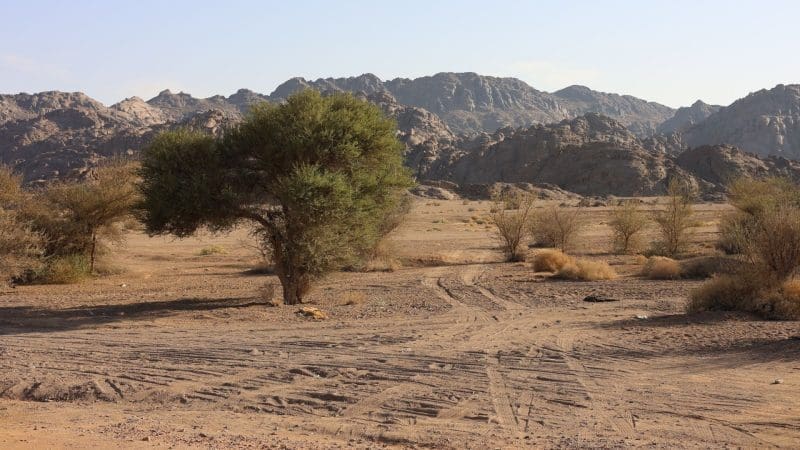
The experience of natural and built landscapes is central to the vision and aims of many of the major development projects and programmes across the Kingdom of Saudi Arabia and the Middle East. From tourism to residential and commercial projects, as well as the critical infrastructure to support them, the experience and exposure to the receiving landscape are fundamental. Whether that is the view or seascape experienced from Red Sea coastal resorts, the sense of awe inspired by upland jebels or the seclusion of a steep-sided wadi or oasis.
There is increased scrutiny placed on the importance of good design within the context of natural landscapes, which goes beyond regulatory compliance and permitting alone. Large-scale vision-led projects or programmes are all ambitious, and lasting success relies on contributing to and being part of the vision for transformational change. Our experience leans on two trends but by no means is the only perspective.
The first scenario is creating unforgettable and unique destinations to visit and/or live. These projects are anchored in creating a sense of place and scenic experiences based on the most valued landscape elements, whether that is the tranquillity or sense of enclosure and desirable microclimate created by a wadi and framed by jebels. Destination landscapes are realised at each stage of the project, but the siting and massing of development that takes advantage of the setting and maximising the most scenic and experiential qualities are key.
The second trend is rooted in the integration of critical and often large-scale infrastructure required to deliver the energy transition within the landscapes most tolerant of the projects. Our landscape architects work with designers, clients and wider stakeholders within a wider landscape context to recognise and share knowledge of the most valued landscape elements; these may link to the function or associations. Generally, the aim for individual projects is based on avoiding impacts on the most sensitive landscape elements, with a focus on siting and design optimisations such that infrastructure can tread lightly on scenic landscapes. These landscapes often present huge opportunities for restoration. In some regions, we see the rapid emergence of biodiversity-led restoration initiatives.
In both scenarios, the central skill relates to how landscape architects work to establish an understanding of landscape character. Working to develop a deep understanding of the elements, patterns and functions of the natural landscape underpinning the local or regional characteristics is the starting point for design.
Projects that are appropriately integrated into the local landscape context create a sense of arrival, adventure and exploration that leaves a legacy for generations to come; for example, just think of your favourite holiday destination. Another measure of long-term success is when large-scale infrastructure goes seemingly unnoticed and avoids becoming the main characteristic or association with the landscape.
Stephenson Halliday, part of the RSK Group, has been supporting RSK Middle East as its expert landscape adviser and as an integral member of the project teams. Our project contributions are led by subject matter experts and supported by the wider Middle East RSK Environment team. Projects cover varied typologies and contexts that illustrate the importance of whole-scape thinking. Two recent examples explore very different project types and objectives where our landscape advice reflects both our values and skill set.
The first example is of a large-scale, destination urban development in Riyadh, the gateway to the kingdom and a hub of urban transformation. For this project, analysis considers the beneficial contribution of high-quality urban development, green infrastructure and landmarks that will inform a world-renowned destination and neighbourhoods for future generations. While recognising the positive aspects, the project has also enabled the project team to focus on where collective mitigation can address the very limited situations in which urban integration with existing and emerging development can be sensitively managed through design optimisation and stakeholder collaboration. This is where understanding the future baseline is an emerging area of focus and a valuable tool for design and placemaking.
The second example relates to a renewable energy generation project in the Hail Region, well known for its environmental stewardship and generosity. The landscape is defined by the special qualities of the Royal Reserve and required the translocation and integration of established trees, physical elements that have informed the assessments and environmental management plans. It was essential too that the wider perception of the natural landscape qualities, including the jebel skyline, open horizons and rolling dunes, prevail and the influence of energy infrastructure is localised as practically as possible. Those landscape qualities, that draw Saudi families to spend quality time together, remain strong.
At the heart of our approach is the nature of our collaborative project teams, which demonstrate local knowledge and global reach while working together to deliver insightful assessments and drive the best design outcomes. Our success to date is defined by project leadership. Our project directors enable all voices to be heard and include the wider landscape perspective from the outset. Recent collaboration with Saudi graduates with expertise in biodiversity, regulatory compliance and water resources has resulted in cross-generational insights and sensitive design and innovative mitigation solutions beyond technical expertise alone. Our collective values always advocate for a sense of balance in the natural world. As for the results, we are demonstrating a deep understanding and a strong common purpose with our colleagues and clients so that the next time you arrive at that destination landscape, the sense of adventure, peace or tranquillity in nature prevails.
AUTHORS BIOGRAPHY
Robert Hewitt, Associate Director, is one of the 50-plus team of landscape architects, planners and managers at Stephenson Halliday and leads the international sector. Robert has worked across the Kingdom of Saudi Arabia for the best part of the last decade and is passionate about his role, bringing a vision of how the experience of the landscape around us will evolve for the benefit of the natural world.
